CONSERVATION
AGENCY
RECIPROCITY
ECONOMY
Tourism across the Vancouver Island Region is more than just an industry; it is a living relationship between people and place, visitors and hosts, and past and future. In a time of climate uncertainty, social change, and growing pressures on lands and communities, there is a collective opportunity to ask more of tourism. The tourism industry is called to become a fierce advocate for stewardship. The pieces are there, but what is missing is a shared, regional framework to organize stewardship into practice.
The CARE Framework is 4TVI’s response to this gap. The CARE Framework was developed through the Vancouver Island Destination Stewardship Strategy process, a multi-year, multi-partner initiative. It is grounded in community evidence and research, global best practices, and the regenerative and reciprocal principles that First Nations across this region have upheld for generations and that modern tourism organizations are beginning to adopt.
Explore each pillar of the CARE Framework by clicking below.
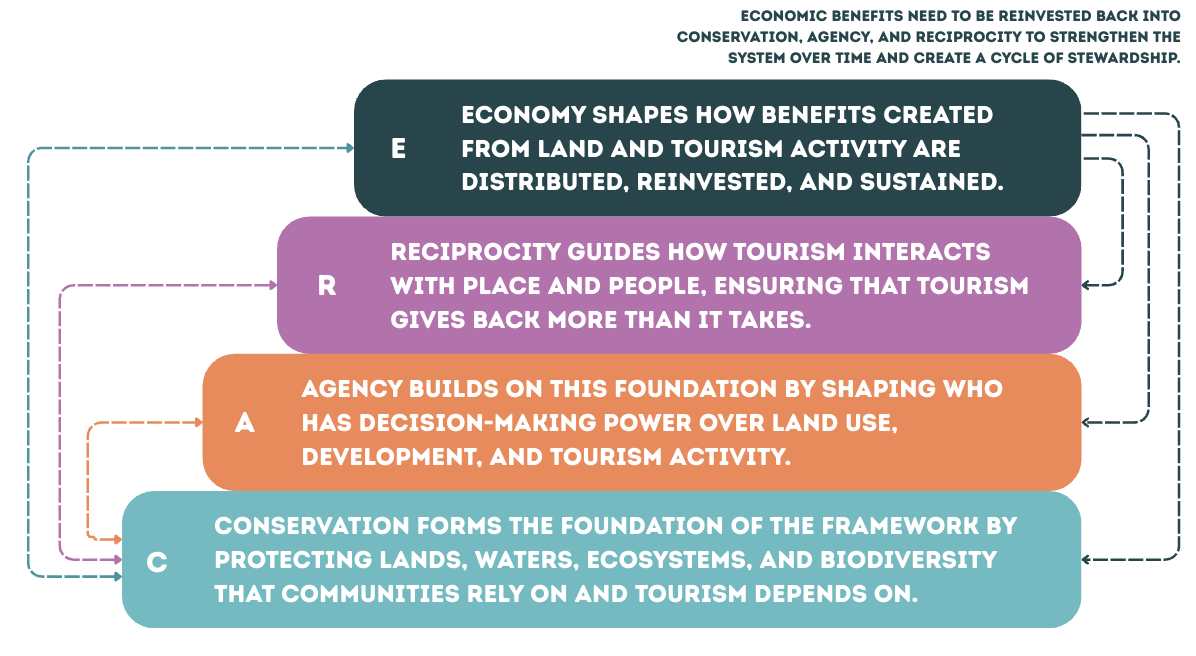
Tourism across the Vancouver Island Region is a living relationship, not a transaction. The CARE Framework gives all those who participate in tourism the practices and tools to honour this.
Click here to access:

Conservation means protecting and regenerating the lands, waters, wildlife, and natural systems that tourism depends on by respecting ecological limits, managing visitor activity, and making decisions that reduce harm and support long-term ecosystem health.
Click to explore Conservation Practices and Tools.
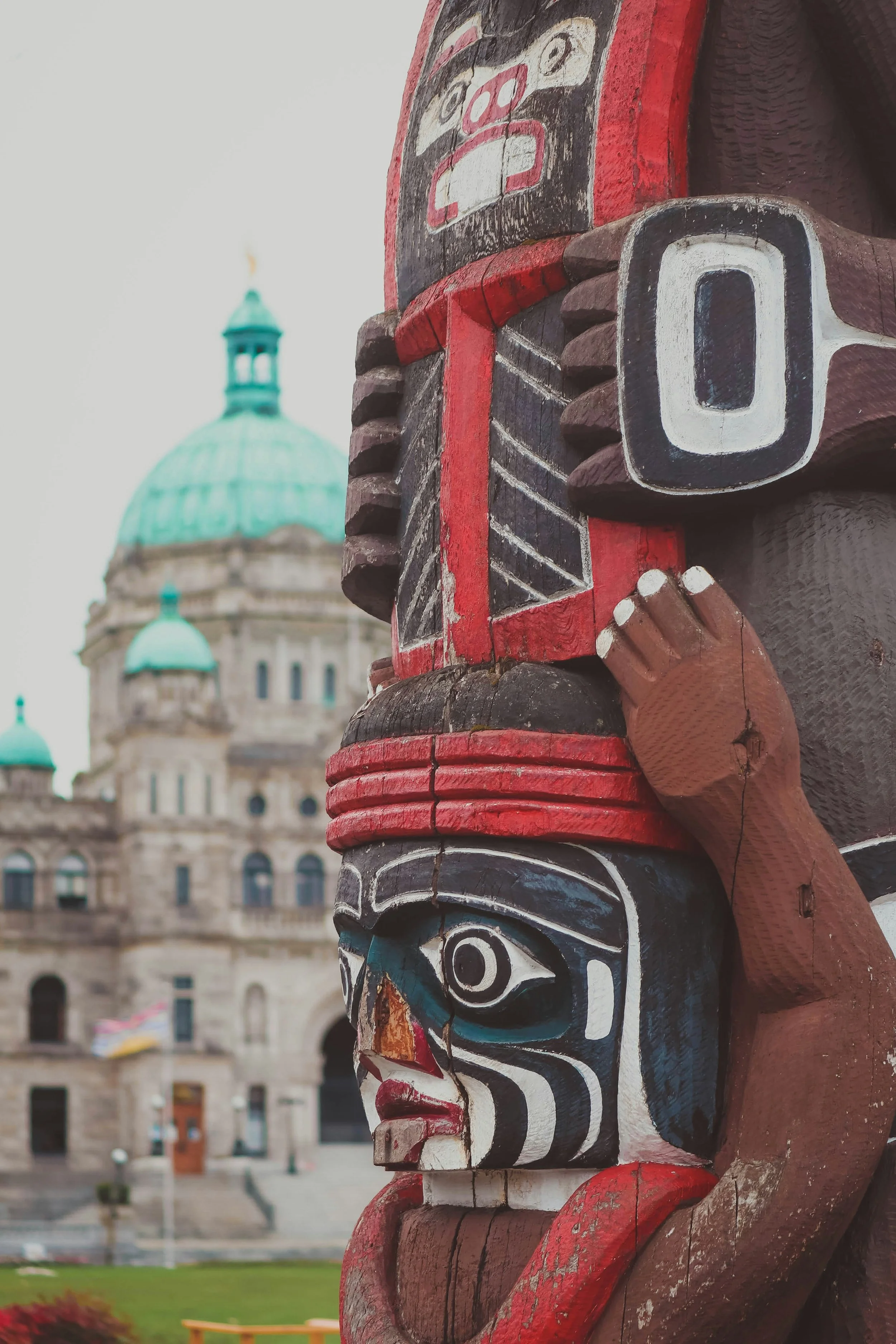
Agency means considering who has power, voice, and leadership in tourism. It’s about centering Indigenous Governing Bodies and local communities in decisions about land, culture, community well-being and development and can result in sharing or shifting authority.
Click to explore Agency Practices and Tools.
Reciprocity means that tourism gives back more than it takes. It’s about ensuring benefits flow to communities and ecosystems, impacts are addressed, and stewardship is built into how tourism operates, not treated as optional.
Click to explore Reciprocity Practices and Tools.