AGENCY
Agency means considering who has power, voice, and leadership in tourism. It’s about centering Indigenous Governing Bodies and local communities in decisions about land, culture, community well-being and development and can result in sharing or shifting authority.
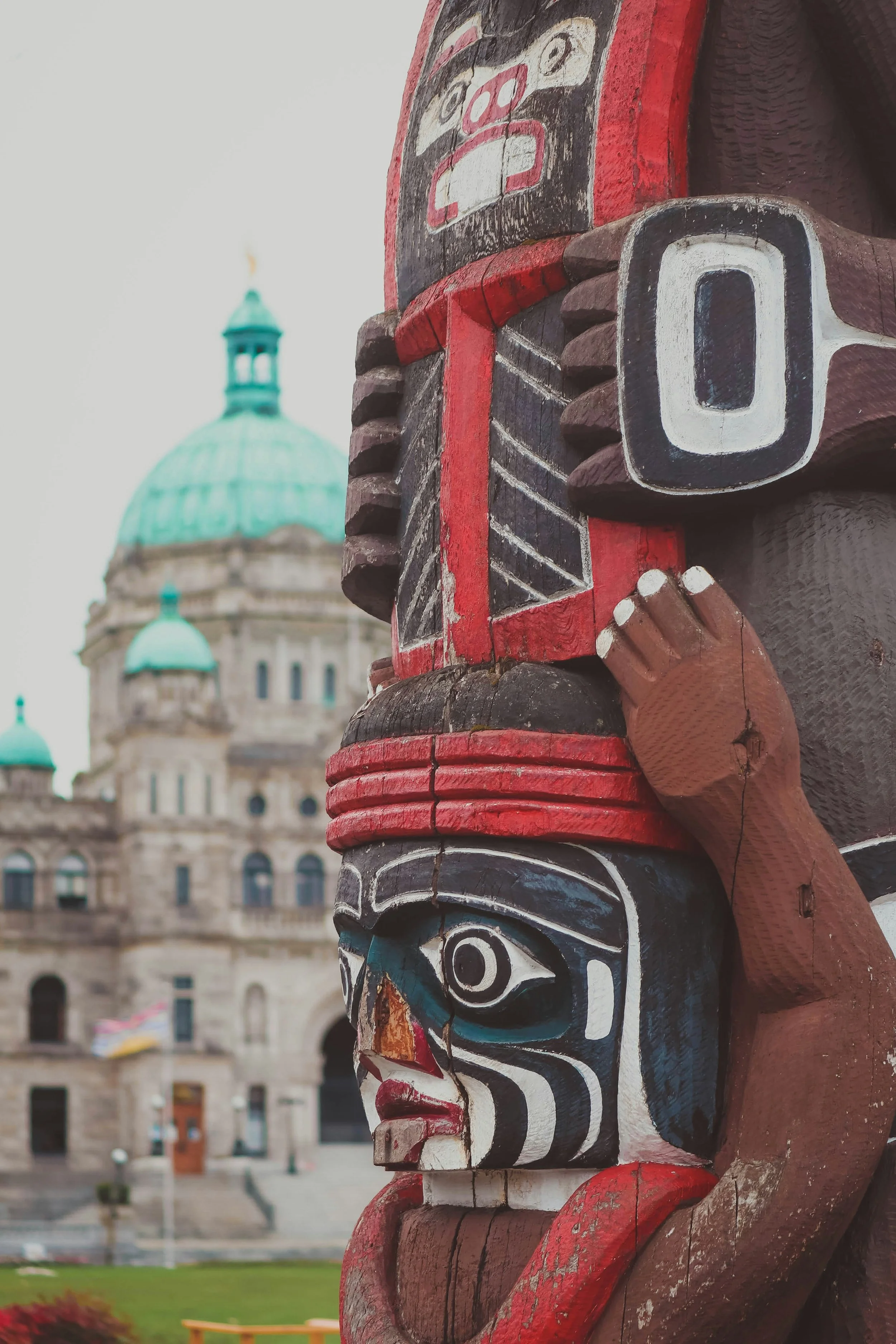
We centre leadership, decision-making and storytelling with Indigenous and local communities.
Agency is the governance logic of the CARE Framework, and it asks us to reflect on who holds decision-making power. Tourism must respect Indigenous sovereignty and community agency and create opportunities for local leadership, authority, and knowledge to shape decision-making. When the people who live with the consequences of tourism decisions become the ones making them, everything, from the decisions to the experiences, economic returns, and social trust that sustains a destination, improves over the long term.
The governance opportunity on Vancouver Island is to build structures that honour Indigenous sovereignty and community voices throughout. 4TVI needs to play a leading role in convening and facilitating conversations about tourism.
Consider: Who is being influenced by the decisions my business or organization is making?
Scroll down to read the Agency Practices you can take today, and learn about the initiatives 4TVI is leading.
“All visitors must be aware of the culture of this place. The Indigenous history, and respecting the incredible nature we are so grateful to live in.”
-4TVI What we Heard Report
Agency Practices, Tools, and Resources
START HERE!
Practice 1: Agency Activity and Impact Audit
Practice Description: Agency refers to the capacity of an individual or entity to act independently, make free choices, and exert power to achieve a desired outcome. Use the Agency Activity Impact Audit to score your current tourism activities across five dimensions of community power-sharing: Community Inclusion, Consent & FPIC, Equity & Access, Youth & Indigenous Leadership, and Transparency. Use the results to identify your highest-priority agency actions. Complete annually or after significant operational changes.
-
Roughly 74% of Vancouver Island residents believe they should have a stronger voice in tourism planning. An annual audit gives operators a structured way to identify and respond to this gap. (DSS WWH Report, Sec. 2.4)
Indigenous representation in the VI tourism workforce is approximately 5%, below the provincial average. The Equity & Access and Youth & Indigenous Leadership scoring categories help operators track where inclusion gaps exist and where intentional change is needed. (DSS Situation Analysis, Ch. 7)
BC's DRIPA (2019) and UNDRIP establish legal frameworks for Free, Prior, and Informed Consent. The Consent & FPIC scoring category holds operators accountable to these frameworks in a structured, systematic way. (DSS Situation Analysis, Ch. 2.1)
• 'Social License to Operate', which is the community's ongoing trust in a business, depends on operators demonstrating their practices benefit the place. A regular agency audit is the mechanism for building and sustaining that trust. (DSS Situation Analysis, Ch. 3.1)
-
Agency Activity and Impact Audit
-
Explore Updated Governance Structures: The most credible and highest-leverage action 4TVI can take is to establish meaningful Indigenous co-leadership within its own board and committee structures. This shift should be visible at the regional DMO level before it can be asked of operators.
-
SDG 10: Reduced Inequalities
SDG 16: Peace, Justice & Strong Institutions
SDG 17: Partnerships for the Goals
Practice 2: Don’t Shy Away From Hard Conversations
BEGINNER PRACTICES
Practice Description: Set clear norms in your team meetings, including respect, honesty, and humility. Build in regular check-ins: 'Who feels heard right now?' and 'What feels uncomfortable, but important?' These prompts create a culture where difficult conversations about power, equity, and community impact become routine rather than exceptional.
-
Roughly 74% of Vancouver Island residents believe they should have a stronger voice in tourism planning. Hard conversations between First Nations, operators, communities, and local governments are not optional; they are foundational. (DSS WWH Report, Sec. 2.4)
Malahat Elders described incidents of visitors arriving on First Nation land with weapons and threatening the Destination Guardian. These situations require operators to have frank conversations with guides, guests, and staff about rights and respect. (Malahat FN Community Survey)
Indigenous Pathways Conference: formalizing coming-ashore protocols was identified as a priority, this requires honest dialogue between operators and Nations about access, authority, and boundaries. (Indigenous Pathways Conference Report)
'Deep listening, humility, and willingness to be changed by what we hear are foundational to authentic stewardship and reconciliation.' (DSS Situation Analysis, Ch. 4.1)
-
-
SDG 10: Reduced Inequalities
SDG 16: Peace, Justice & Strong Institutions
SDG 17: Partnerships for the Goals
Practice 3: Invest Time in Continual Learning
Practice Description: Create a simple one-page brief with local context brief for your team. Include information about the Nations whose territory you operate on and the history and ecology of the area. Share it with new staff and revisit it seasonally. Regularly ask: 'What have we learned about this place that is changing our approach or perspective?' Commit to continual learning and being open to new perspectives.
-
Vancouver Island is home to more than 50 First Nations communities across three distinct cultural families, Coast Salish, Nuu-chah-nulth, and Kwakwaka'wakw. Understanding whose territory you operate in is a baseline responsibility. (DSS Situation Analysis, Ch. 2.1)
Roughly 68% of visitors are interested in Indigenous-led experiences but haven't participated, this is a gap that businesses can begin to bridge through their own learning and referrals. (DSS Situation Analysis, Ch. 6)
BC enacted the Declaration on the Rights of Indigenous Peoples Act (DRIPA) in 2019, the first province in Canada to enshrine UNDRIP into law. Operators have a legal and ethical responsibility to understand its implications. (DSS Situation Analysis, Ch. 2.1)
The Truth and Reconciliation Commission's 94 Calls to Action specifically call on businesses and institutions to educate themselves about Indigenous histories and rights. (DSS Situation Analysis, Ch. 2.2)
-
Indigenous Tourism BC Map, with Indigenous experiences, itineraries, and regions. Indigenous Tourism BC
Native Land Digital Map. Native Land Digital
-
SDG 4: Quality Education
SDG 10: Reduced Inequalities
SDG 16: Peace, Justice & Strong Institutions
Practice 4: Centre Youth, Community, and Indigenous Leadership
INTERMEDIATE PRACTICES
Practice Description: Ask yourself who your decisions will influence and who should be a part of the decisions. Look for ways, big and small, to engage with youth, community members, and Indigenous participants in planning, events, and projects. For example, offer volunteer, internship or mentorship opportunities for Youth and Indigenous People, ask people in the community before making decisions that will influence them, or offer discounts or perks for locals to participate in experiences.
-
Indigenous tourism businesses on Vancouver Island grew 47% between 2019 and 2023; ITBC lists 114 businesses on Vancouver Island, Indigenous operators and leaders are increasingly driving their own tourism economies and deserve genuine partnership. (DSS Situation Analysis, Ch. 6)
Homalco Wildlife & Cultural Tours integrates ancestral knowledge, stories, and language into visitor experiences led by community members and youth and is Biosphere Committed. This model demonstrates what genuine centring of community leadership looks like. (Indigenous Pathways Conference Report)
Robert Mountain (Alert Bay) described the need for a 24-hour guardian system to manage unauthorized land access and called for tourism operators to formally support Indigenous community oversight. (Indigenous Pathways Conference Report
-
Invest Dedicated Marketing Budget into Indigenous-led Experiences: 69% of visitors are interested in Indigenous-led experiences but haven't participated. 4TVI can make a concrete, trackable commitment to allocating a specific portion of their marketing budget and platform to Indigenous-led operators and experiences, in partnership with ITBC.
-
Considerations When Working with Indigenous Communities. Indigenous Tourism BC
Building Relationships with First Nations. Respecting Rights and Doing Good Business. Government of BC
-
SDG 4: Quality Education
SDG 5: Gender Equality
SDG 10: Reduced Inequalities
SDG 16: Peace, Justice & Institutions
Practice Description: Add a 20–50 year lens to your planning and decision-making. When facing a significant choice like a new experience, expansion, or partnership, name the long-term impacts on people, culture, and ecosystems. How would this choice influence your grandchildren? The Indigenous concept of seven Generations thinking asks us to hold past and future in every decision.
*Aligned with Conservation Practice: Think Long Term
Practice 5: Plan for Future Generations
-
Indigenous Pathways Conference participants expressed that their 'passion is for future generations to thrive' — positioning tourism as a pathway to cultural legacy-building rooted in Indigenous values. (Indigenous Pathways Conference Report)
The Tla-o-qui-aht Nation's '10 plus 10' plan of recapturing 10% of Tofino's $500M annual tourism economy over 10 years is a direct example of long-term Indigenous economic planning in action. (Indigenous Pathways Conference Report)
Climate risk is accelerating: 40% of Vancouver Island tourism businesses invested no staff time or budget toward climate adaptation in the BCTCRI study. Long-term thinking is no longer aspirational but an operational necessity. (DSS Situation Analysis, Ch. 8)
'Tourism must respect natural and cultural timelines, rather than expecting quick fixes for economic or environmental damage. Some ecosystem and cultural restorations take centuries.' (DSS Situation Analysis, Ch. 4.1)
-
Six Ways to Think Long-term: A Cognitive Toolkit for Good Ancestors. The Long Now
Seven Generations Principle: Healing the Past & Shaping the Future. The Indigenous Foundation
-
SDG 11: Sustainable Cities & Communities
SDG 13: Climate Action
SDG 16: Peace, Justice & Institutions
SDG 17: Partnerships for Goals
Practice 6: Check Decisions with an Equity Lens
Practice Description: Before implementing a new experience, partnership, or operational change, run an equity check: Who benefits from this decision? Who is impacted but not in the room? Who is missing from this conversation or opportunity? Track patterns over time to identify whose voices are consistently absent, and then change that.
-
Indigenous representation in the Vancouver Island tourism workforce is approximately 5%, which is below the provincial average, despite Indigenous lands and cultures being central to tourism offerings. (DSS Situation Analysis, Ch. 7)
The Tla-o-qui-aht Nation saw Indigenous employment in Tofino tourism drop from 90% pre-COVID to roughly 10% afterward, demonstrating how economic disruption can erase equity gains without intentional protective measures. (Indigenous Pathways Conference Report)
Robynn Keras (Métis Nation BC) highlighted that over 300 Métis artists and 400 businesses operate on Vancouver Island but are underrepresented in tourism marketing and economic planning. (Indigenous Pathways Conference Report)
DSS WWH Key Insights: 'Tension Between Economic Growth and Community Costs: housing affordability, labour market stress, and uneven benefit distribution' and equity checks are needed at every decision point. (DSS Situation Analysis, Ch. 4.2)
-
Equity Decision-Making Checklist
-
-
SDG 5: Gender Equality
SDG 10: Reduced Inequalities
SDG 16: Peace, Justice & Institutions
ADVANCED PRACTICES
Practice 7: Measure What Your Community Values
Practice Description: Key Performance Indicators (KPIs) to grow your business are important, but they aren't the only way to measure success. Start to track metrics that your local community cares about, such as the number of Indigenous partners engaged, youth jobs created, local procurement percentage, dollars invested back into the community, resident sentiment and wellbeing, positive community interactions, or cultural practices supported. Report back in accessible, community-friendly formats. What gets measured gets managed and what gets shared builds trust.
-
The tourism job and career impact score on Vancouver Island is 2.60, compared to the provincial average of 3.01, reflecting community concerns about job quality, wages, housing, and long-term employment. Revenue growth alone doesn't tell the full story. (DSS Situation Analysis, Ch. 7)
85% of residents believe tourism supports local businesses, and 81% value the economic contributions of visitors, but these same residents also flag housing affordability and uneven benefit distribution as concerns. A single financial indicator misses this tension. (DSS WWH Report, Sec. 2.1)
Analysis of 22 Vancouver Island tourism plans found that monitoring and reporting frameworks including SDG tracking, community benefit indicators, and Biosphere Certification, are widely undertaken practices, indicating that the impact tourism has extends widely across community. (DSS Situation Analysis, Ch. 4.2)
'Social License to Operate', in other words, a community's ongoing trust and acceptance of a business, depends on operators and businesses being able to demonstrate that their work benefits local people and place, not just their balance sheet. (DSS Situation Analysis, Ch. 3.1)
-
Establish a Formal Community Input Mechanism. 4TVI currently gathers community input through the DSS process, but there's no ongoing, structured channel for resident and community input into planning and programming decisions. An annual community advisory panel, a published resident sentiment report, or a commitment to respond publicly to what they hear would address the 70% of residents who say they want more voice in tourism.
Conduct Practices and Report Publicly. Select practices to conduct each year from the CARE Framework and report publicly on progress. Use this time to develop templates for practices.
-
Adopting a Tourism Model Focused on Regeneration Requires Rethinking KPIs. Rooted Storytelling
-
SDG 10: Reduced Inequalities
SDG 11: Sustainable Cities & Communities
SDG 16: Peace, Justice & Institutions
SDG 17: Partnerships for Goals
Practice 8: Understand Free, Prior, and Informed Consent
Practice Description: Before representing, involving, or building experiences around Indigenous peoples, places, stories, or cultural practices, ask: Who owns this story? Have they given their Free, Prior, and Informed Consent (FPIC)? FPIC is a legal right under UNDRIP and BC's DRIPA (2019). Build a consent and representation check into your planning process for any new experience, marketing campaign, or partnership involving Indigenous culture or territory.
-
BC enacted the Declaration on the Rights of Indigenous Peoples Act (DRIPA) in 2019, the first province to enshrine UNDRIP in law. 'Indigenous Nations are not stakeholders; they are rights holders.' Free, Prior, and Informed Consent is a legal framework that tourism operators must understand. (DSS Situation Analysis, Ch. 2.1)
Indigenous Pathways Conference participants formalized 'coming-ashore protocols' as a priority , with Samantha Pelkey (Traditional Tides Adventures) actively teaching cruise passengers the protocols for entering Indigenous territory respectfully. (Indigenous Pathways Conference Report)
Malahat Elders described visitors arriving on First Nation land with weapons threatening Guardians, a stark example of what happens when consent and access protocols are absent. (Malahat FN Community Survey)
There may not always be consensus within a community and operators should ask who has the authority to give consent on behalf of the community, not just seek any voice to validate their plans. (In Person Engagement)
-
Regionally Specific FPIC Resource for Operators: There is no shared, accessible, VI-specific guide that tells operators what consent-based planning looks like in practice, including who to contact, what the process involves, and how to distinguish community consent from individual permission. 4TVI can fund and facilitate the creation of this resource in partnership with organizations like ITBC and Nations (not create it unilaterally and hand it to them).
-
Strategic Engagement Agreements. Government of BC
Backgrounder: United Nations Declaration on the Rights of Indigenous Peoples Act. Government of Canada
-
SDG 10: Reduced Inequalities
SDG 16: Peace, Justice & Institutions
SDG 17: Partnerships for Goals
Practice Description: Design your pricing or booking flow to include a small, transparent stewardship contribution, like a round-up donation option, a flat trail fund fee, or a per-booking contribution to a local conservation, economic development, or stewardship fund. Be transparent about where funds go and who benefits. This is a system-level practice that requires trust, clarity, and follow-through.
*Note this practice shows up in the Conservation and Reciprocity practice.
Practice 9: Embed Stewardship and Reciprocity in Pricing or Booking
-
~77% of VI visitors are willing to pay a small sustainability fee. A 'small, well-communicated contribution can finance systems that support stewardship, quality of life, and visitor experience.' (DSS WWH Report, Sec. 1.5)
DSS WWH Key Insights recommend 'visitor donation options embedded in booking flows, round-up donations, stewardship passes' as practical, scalable tools for community reciprocity. (DSS WWH Report)
'Embed reciprocity into pricing or offerings (e.g., stewardship contributions)' — listed at the Collective /Operational level in the DSS Scales of Reciprocal Contributions (Figure 3). This practice transforms the gift mindset into a structural mechanism. (DSS Situation Analysis, Ch. 3.1)
Tla-o-qui-aht Nation's '10 plus 10' plan, recapturing 10% of Tofino's $500M annual tourism economy for Indigenous communities over 10 years, represents the system-shift potential when give-back mechanisms are scaled. (Indigenous Pathways Conference Report)
Malahat FN participants called for 'mandatory financial contributions to maintain and facilitate future activities.' (Malahat FN Community Survey)
-
Regional Visitor Stewardship Contribution Fund: 77% of visitors are willing to pay a sustainability fee (between $5 - $10). Operators doing this individually are fragmented, administratively burdensome, and invisible at scale. 4TVI can create a regional give-back mechanism, a stewardship pass, a round-up fund integrated with booking platforms, or an MRDT-aligned community fund, and direct it back to communities to make decisions on transparent and visible stewardship outcomes, like ecosystem restoration, conservation projects, community events, and climate resilience.
-
-
SDG 11: Sustainable Cities & Communities
SDG 15: Life on Land
SDG 17: Partnerships for the Goals